
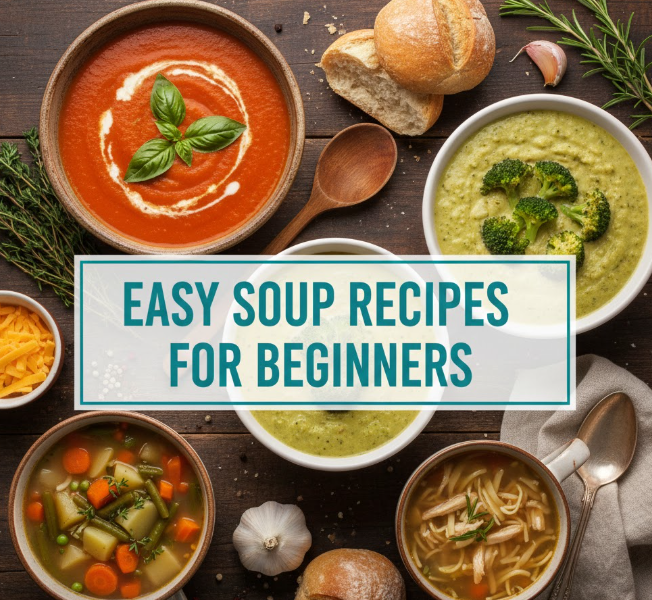
Why Soup Is Perfect for New Cooks
Starting your cooking journey can feel overwhelming. You might worry about burning food, using too many ingredients, or spending hours in the kitchen. That’s where soup comes in as your best friend.
Soup is forgiving. If you add too much water, you can let it simmer longer. If it needs more flavor, you can toss in extra spices. Unlike baking, where precise measurements matter, soup gives you room to experiment and learn without stress.
Most easy soup recipes for beginners require just one pot, which means less cleanup. You can make large batches that last several days, saving time and money. Plus, soups are naturally healthy, packed with vegetables, proteins, and warm comfort that satisfies your belly and soul.
Whether you’re a college student, a busy parent, or simply someone who wants to cook more at home, mastering a few simple soups will boost your confidence in the kitchen.
What Makes a Soup Recipe Beginner-Friendly?
Not all recipes are created equal. Some require special techniques or hard-to-find ingredients. The best easy soup recipes for beginners share these qualities:
Simple ingredient lists – Usually 10 ingredients or fewer, most of which you already have in your pantry.
One-pot cooking – Everything goes into a single pot, making the process straightforward and cleanup quick.
Hard to mess up – These recipes work even if you’re not precise with measurements or timing.
Short cooking time – Most beginner soups are ready in 30-45 minutes, perfect for weeknight dinners.
Common techniques – Basic skills like chopping, stirring, and simmering are all you need to know.
When you choose recipes with these features, you set yourself up for success from the start.
Essential Tools You’ll Need
Before jumping into recipes, gather these basic kitchen tools. You probably already own most of them:
- Large pot or Dutch oven (at least 5 quarts)
- Wooden spoon for stirring
- Sharp knife for chopping vegetables
- Cutting board
- Measuring cups and spoons
- Ladle for serving
That’s it. You don’t need fancy equipment or expensive gadgets. These simple tools will handle all the easy soup recipes for beginners we’re about to explore.
Classic Chicken Noodle Soup
This timeless recipe is where most people start their soup-making adventure. It’s warm, comforting, and reminds you of being taken care of when you’re sick.
Ingredients You’ll Need
- 2 tablespoons olive oil
- 1 medium onion, diced
- 3 carrots, sliced
- 3 celery stalks, sliced
- 3 garlic cloves, minced
- 8 cups chicken broth
- 2 cups cooked chicken, shredded
- 2 cups egg noodles
- Salt and pepper to taste
- Fresh parsley (optional)
Step-by-Step Instructions
Heat the olive oil in your large pot over medium heat. Add the diced onion and cook for about 3 minutes until it becomes soft and smells amazing. This process is called sautéing, and it builds flavor in your soup.
Toss in the carrots, celery, and garlic. Stir everything together and cook for another 5 minutes. You’ll notice the vegetables start to soften and your kitchen fills with a wonderful aroma.
Pour in the chicken broth and turn the heat to high. Bring everything to a boil, then reduce the heat to medium-low. Let it simmer for 15 minutes. Simmering means gentle bubbling, not a rolling boil.
Add your cooked chicken and egg noodles. Cook for another 8-10 minutes until the noodles are tender. Taste your soup and add salt and pepper as needed. Sprinkle fresh parsley on top if you have it.
Helpful Tips
Use rotisserie chicken from the grocery store to save time. It’s already cooked and seasoned, making your life easier. You can also use leftover chicken from last night’s dinner.
If your soup gets too thick after sitting in the fridge, just add more broth when you reheat it. Noodles absorb liquid over time, which is completely normal.
Hearty Vegetable Soup
This recipe is perfect if you’re vegetarian or just want to eat more vegetables. It’s colorful, nutritious, and incredibly satisfying.
What You’ll Need
- 2 tablespoons butter or olive oil
- 1 onion, chopped
- 2 potatoes, diced
- 2 carrots, sliced
- 2 zucchini, chopped
- 1 can (14 oz) diced tomatoes
- 6 cups vegetable broth
- 1 cup green beans, cut into pieces
- 1 teaspoon dried basil
- 1 teaspoon dried oregano
- Salt and pepper
How to Make It
Melt the butter in your pot over medium heat. Add the onion and cook until soft, about 4 minutes. The butter adds richness, but olive oil works just as well if you prefer.
Add potatoes and carrots first since they take longest to cook. Stir them around for a few minutes, then pour in the vegetable broth and diced tomatoes with their juice.
Bring everything to a boil, then lower the heat. Let it simmer for 15 minutes until the potatoes are almost tender when you poke them with a fork.
Add the zucchini and green beans along with the basil and oregano. Cook for another 10 minutes. These vegetables cook faster, so they go in later.
Season with salt and pepper. Taste it and adjust the seasonings to your liking. Some people like more herbs, others prefer it simple.
Mix and Match Vegetables
One great thing about vegetable soup is flexibility. Don’t have zucchini? Use spinach instead. Missing green beans? Try frozen peas. This is your chance to clean out your refrigerator and use up vegetables before they go bad.
The key is adding harder vegetables like carrots and potatoes first, then softer ones like zucchini and spinach later. For more cooking tips and trending recipes, check out TrendyBlitz for inspiration.
Simple Tomato Soup
Nothing beats homemade tomato soup with a grilled cheese sandwich. This version tastes way better than anything from a can.
Ingredients
- 2 tablespoons butter
- 1 onion, diced
- 3 garlic cloves, minced
- 2 cans (28 oz each) crushed tomatoes
- 2 cups chicken or vegetable broth
- 1 teaspoon sugar
- 1/2 cup heavy cream
- Salt and pepper
- Fresh basil leaves
Cooking Steps
Melt butter in your pot and add the onion. Cook until golden and soft, about 5 minutes. Add garlic and cook for one more minute. Be careful not to burn the garlic—it turns bitter if it gets too dark.
Pour in the crushed tomatoes and broth. Add the sugar, which balances the acidity of tomatoes. Bring to a boil, then simmer for 20 minutes.
Here’s where it gets fun. If you have an immersion blender, blend the soup right in the pot until smooth. Don’t have one? Carefully transfer the soup in batches to a regular blender. Just be cautious with hot liquids.
Stir in the heavy cream, which makes the soup creamy and rich. Add salt and pepper to taste. Tear some fresh basil leaves on top before serving.
Make It Your Own
Want it spicier? Add a pinch of red pepper flakes. Prefer it lighter? Use milk instead of cream. Some people add a tablespoon of balsamic vinegar for depth.
This soup freezes beautifully. Make a double batch and freeze half for busy days.
Quick Comparison of Beginner Soups
| Soup Type | Cooking Time | Difficulty Level | Main Ingredients | Cost Per Serving |
|---|---|---|---|---|
| Chicken Noodle | 35 minutes | Easy | Chicken, noodles, vegetables | $2-3 |
| Vegetable | 40 minutes | Very Easy | Mixed vegetables, broth | $1-2 |
| Tomato | 30 minutes | Easy | Tomatoes, cream, herbs | $1.50-2 |
| Lentil | 45 minutes | Easy | Lentils, vegetables, spices | $1-1.50 |
| Potato | 35 minutes | Very Easy | Potatoes, broth, seasonings | $1-2 |
Common Mistakes to Avoid
Even with easy soup recipes for beginners, people make a few common errors. Learning about them now saves you trouble later.
Not seasoning as you go – Add salt gradually throughout cooking, not just at the end. This builds better flavor.
Cutting vegetables too small – Tiny pieces turn to mush. Cut them bite-sized so they hold their shape.
Boiling instead of simmering – A hard boil makes vegetables fall apart and meat get tough. Gentle simmering is key.
Adding dairy too early – Cream or milk can curdle if boiled. Always add them at the end and keep heat low.
Overcrowding the pot – Leave room at the top for stirring. A pot that’s too full is hard to work with.
Skipping the taste test – Always taste before serving. You might need more salt, pepper, or herbs.
👉 Try this dessert – read more: https://trendyblitz.com/sugar-free-dessert-recipes/
Storage and Reheating Tips
Learning to store soup properly means you can enjoy it for days. Most soups actually taste better the next day as flavors blend together.
Let your soup cool to room temperature before storing. Hot soup going straight into the fridge can raise the temperature inside, affecting other foods.
Use airtight containers and store in the refrigerator for up to 5 days. Glass containers work great because they don’t stain or hold odors.
For freezing, leave some space at the top of containers since liquids expand when frozen. Most soups freeze well for up to 3 months. Label them with the date so you remember when you made them.
When reheating, do it slowly over medium heat on the stove. Stir occasionally and add a splash of broth if it’s gotten too thick. Microwave works too, but stir every minute for even heating.
Building Flavor Without Recipes
Once you master a few easy soup recipes for beginners, you can start creating your own versions. Understanding basic flavor principles helps tremendously.
Start with aromatics—onions, garlic, carrots, and celery. These form the flavor base of most soups. Cooking them first in oil or butter releases their natural sweetness.
Add your liquid next. Broth provides more flavor than water. You can use chicken, vegetable, or beef broth depending on your soup’s direction.
Season in layers. Add some salt early, more midway through cooking, and adjust at the end. This creates depth instead of flat saltiness.
Acid brightens flavors. A squeeze of lemon juice or splash of vinegar at the end makes everything taste fresher and more vibrant.
Fresh herbs added at the end provide a burst of flavor. Dried herbs go in early so they have time to release their oils.
Budget-Friendly Shopping Guide
Making soup doesn’t require expensive ingredients. Smart shopping keeps costs low while quality stays high.
Buy vegetables that are in season—they’re cheaper and taste better. Root vegetables like carrots, potatoes, and onions are affordable year-round.
Store-brand broths work just as well as name brands. Some people even make their own by saving vegetable scraps and chicken bones in the freezer.
Dried beans and lentils cost pennies per serving and make hearty, filling soups. They just need a good soak or a bit longer cooking time.
Rotisserie chickens from the grocery store give you cooked meat plus bones for making broth. You get two meals from one purchase.
Stock up when items go on sale. Canned tomatoes, broth, and dried pasta last for months in your pantry.
Adapting Soups for Dietary Needs
One beautiful thing about soup is how easily it adapts to different eating styles. Whether you’re vegetarian, gluten-free, or watching calories, simple changes make recipes work for you.
For vegetarian or vegan soups, swap chicken broth for vegetable broth and skip meat. Add beans or lentils for protein. Use olive oil instead of butter, and coconut milk instead of cream.
Making soups gluten-free is easy. Skip noodles or use gluten-free versions. Rice, quinoa, or extra vegetables work as substitutes. Check that your broth is certified gluten-free.
For lower-calorie options, use less oil, skip cream, and load up on vegetables. The fiber from veggies keeps you full without adding many calories.
If someone has food allergies, soup recipes are flexible enough to leave out problem ingredients and substitute others.
Frequently Asked Questions
How do I make my soup thicker?
Several methods work well. Mash some of the vegetables against the side of the pot, which releases their starches. Add a slurry of cornstarch and cold water mixed together. Blend part of the soup and stir it back in. Or simmer with the lid off so liquid evaporates.
Can I use water instead of broth?
Yes, but your soup won’t have as much flavor. If using water, increase your seasonings and consider adding bouillon cubes or paste for depth.
Why does my soup taste bland?
Usually it needs more salt. Add it gradually, tasting as you go. Also try a squeeze of lemon juice or splash of vinegar at the end, which brightens flavors. Fresh herbs help too.
How long can soup sit out?
Food safety experts say no more than 2 hours at room temperature. After that, bacteria can grow. Refrigerate promptly after cooling.
Should I cook with the lid on or off?
Keep the lid on while simmering to retain liquid. Remove it near the end if you want to thicken the soup by evaporating some liquid.
Can I make soup in a slow cooker?
Absolutely. Most of these easy soup recipes for beginners adapt well to slow cookers. Just add everything except dairy, cook on low for 6-8 hours, then stir in cream at the end.
Your Soup-Making Journey Starts Now
You now have everything you need to start making delicious, homemade soup. These easy soup recipes for beginners give you a solid foundation to build on.
Start with one recipe that sounds appealing. Follow it closely the first time to understand the process. Once you’ve made it successfully, try small changes—different vegetables, new herbs, or extra spices.
Soup-making builds confidence in the kitchen. You learn to trust your instincts, adjust seasonings, and create something warm and nourishing from simple ingredients. Each pot of soup teaches you something new about flavors, textures, and timing.
Don’t worry about perfection. Even professional chefs started as beginners. Your first soup might not be restaurant-quality, but it will be made with your own hands and filled with good ingredients. That’s something to be proud of.
Gather your ingredients, grab that big pot, and start cooking. Your kitchen is about to smell amazing, and you’re about to discover just how rewarding home cooking can be. The best part? You’ll have delicious soup to enjoy all week long.
1 thought on “Easy Soup Recipes for Beginners”