
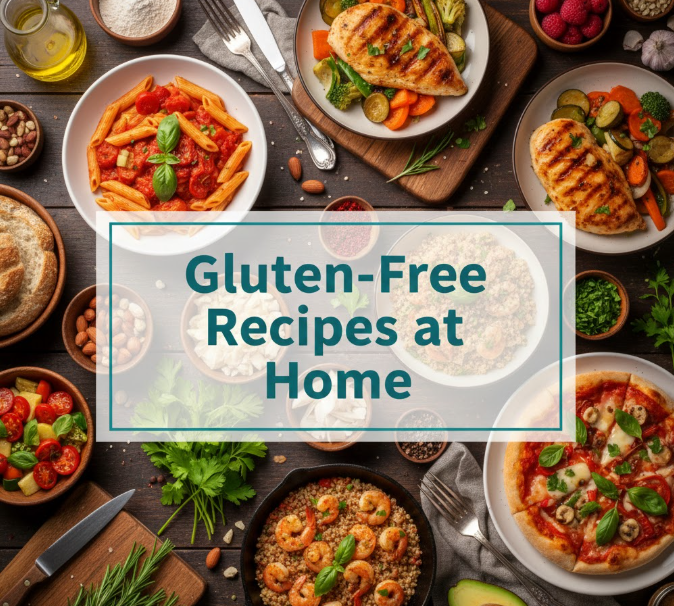
Why Cooking Gluten-Free at Home Changes Everything
Going gluten-free doesn’t mean saying goodbye to delicious food. Whether you have celiac disease, gluten sensitivity, or just want to explore healthier eating options, making gluten-free recipes at home gives you complete control over what goes into your meals.
Restaurants can be tricky. Cross-contamination happens. Hidden gluten lurks in sauces and seasonings. But when you cook at home, you know exactly what’s on your plate.
The best part? Gluten-free cooking is easier than most people think. You don’t need fancy ingredients or complicated techniques. With a few simple swaps and smart pantry choices, you can create meals that taste just as good—sometimes even better—than their gluten-filled counterparts.
This guide walks you through everything you need to know about creating amazing gluten-free recipes in your own kitchen.
Building Your Gluten-Free Pantry
Before you start cooking, stock your kitchen with the right ingredients. Having these essentials on hand makes meal prep faster and stress-free.
Must-Have Flours and Starches
Different flours work for different recipes. Here’s what you need:
Rice flour works great for light, crispy coatings and delicate baked goods. White rice flour is mild in flavor, while brown rice flour adds a nutty taste.
Almond flour brings moisture and protein to baking. It’s perfect for cookies, muffins, and pancakes. Keep it in the fridge to stay fresh longer.
Coconut flour absorbs lots of liquid, so you need less of it. It adds a slight sweetness and works well in quick breads and cakes.
Tapioca starch creates chewiness in bread and helps bind ingredients together. It’s also called tapioca flour.
Potato starch (not potato flour—they’re different!) adds lightness to baked goods and works as a great thickener for gravies.
Binding Agents That Hold Everything Together
Gluten acts like glue in regular recipes. When you remove it, you need replacements:
Xanthan gum is a powerful binder. Use just 1/4 teaspoon per cup of flour in most recipes.
Psyllium husk works wonderfully in bread recipes. It creates an elastic texture similar to gluten.
Ground flaxseed mixed with water makes “flax eggs” for binding. Mix one tablespoon flaxseed with three tablespoons water, then let it sit for five minutes.
Smart Ingredient Swaps
| Regular Ingredient | Gluten-Free Swap | Best Used In |
|---|---|---|
| All-purpose flour | 1:1 gluten-free flour blend | Most baking recipes |
| Bread crumbs | Crushed gluten-free crackers or cornflakes | Coating chicken, meatballs |
| Soy sauce | Tamari or coconut aminos | Stir-fries, marinades |
| Regular pasta | Rice, corn, or chickpea pasta | Any pasta dish |
| Beer (for cooking) | Gluten-free beer or chicken broth | Stews, braised dishes |
Morning Wins: Breakfast Recipes That Start Your Day Right
Breakfast sets the tone for the entire day. These gluten-free options are filling, nutritious, and simple to make.
Fluffy Banana Pancakes
Regular pancakes rely on gluten for structure. These don’t need it.
Mash two ripe bananas in a bowl. Add two eggs and a quarter teaspoon of vanilla extract. Mix in half a cup of gluten-free oat flour and a pinch of salt. Add a teaspoon of baking powder for extra fluffiness.
Heat a non-stick pan over medium heat. Pour quarter-cup portions of batter onto the pan. Cook until bubbles form on top, then flip. Each side takes about two minutes.
Top with fresh berries, maple syrup, or nut butter.
Quick Veggie Frittata
Eggs are naturally gluten-free and incredibly versatile.
Whisk six eggs with a quarter cup of milk (dairy or non-dairy). Add salt, pepper, and your favorite herbs. Sauté diced vegetables like bell peppers, spinach, and mushrooms in an oven-safe skillet. Pour the egg mixture over the veggies.
Cook on the stovetop for three minutes, then transfer to a 375°F oven for 15 minutes until the center is set.
Cut into wedges and enjoy with sliced avocado.
Overnight Oats Three Ways
Make sure you buy certified gluten-free oats. Regular oats often contain gluten from cross-contamination during processing.
Basic recipe: Combine half a cup of gluten-free rolled oats with half a cup of milk in a jar. Add a tablespoon of chia seeds and a touch of honey. Refrigerate overnight.
Chocolate peanut butter: Add a tablespoon of cocoa powder and a tablespoon of peanut butter.
Apple cinnamon: Mix in diced apples, cinnamon, and a handful of raisins.
Berry blast: Stir in mixed berries and a teaspoon of vanilla extract.
Lunch Ideas That Pack Real Flavor
Midday meals need to be satisfying and easy to prepare, especially if you’re meal prepping for the week.
Mediterranean Quinoa Bowl
Quinoa is a complete protein and naturally gluten-free.
Cook one cup of quinoa according to package directions. Let it cool slightly. Add chopped cucumbers, cherry tomatoes, red onion, and kalamata olives. Crumble in some feta cheese.
For the dressing, whisk together three tablespoons olive oil, two tablespoons lemon juice, minced garlic, dried oregano, salt, and pepper.
This bowl keeps well in the fridge for up to four days.
Lettuce Wrap Tacos
Skip the tortillas and use crisp lettuce leaves instead.
Season ground turkey or beef with cumin, chili powder, garlic powder, and paprika. Cook until browned. Spoon the meat into butter lettuce or romaine leaves.
Top with diced tomatoes, shredded cheese, sour cream, and salsa. Add sliced jalapeños if you like heat.
Chicken and Rice Soup
Comfort food doesn’t need gluten to warm your soul.
Sauté diced onions, carrots, and celery in a large pot. Add six cups of gluten-free chicken broth. Bring to a boil, then add three quarters of a cup of white rice and two cups of shredded cooked chicken.
Season with thyme, bay leaves, salt, and pepper. Simmer for 20 minutes until the rice is tender. Remove the bay leaves before serving.
Dinner Recipes That Bring Everyone to the Table
These evening meals prove that gluten-free eating never means sacrificing taste or satisfaction.
One-Pan Baked Salmon with Vegetables
Sheet pan dinners make cleanup easy.
Place salmon fillets on a lined baking sheet. Arrange broccoli florets, sliced bell peppers, and cherry tomatoes around the fish. Drizzle everything with olive oil. Season with garlic powder, lemon pepper, and salt.
Bake at 400°F for 15-18 minutes until the salmon flakes easily with a fork.
Squeeze fresh lemon juice over everything before serving.
Creamy Chicken Alfredo with Rice Pasta
You won’t miss regular pasta with this rich sauce.
Cook gluten-free fettuccine according to package directions. Reserve one cup of pasta water before draining.
In a large skillet, melt three tablespoons of butter. Add two cloves of minced garlic and cook for one minute. Pour in one and a half cups of heavy cream. Let it simmer for five minutes.
Add one cup of grated parmesan cheese and stir until melted. Toss in sliced cooked chicken and the pasta. If the sauce is too thick, add some reserved pasta water.
Season with salt, pepper, and fresh parsley.
Stuffed Bell Peppers
A complete meal inside an edible bowl.
Cut the tops off four large bell peppers and remove the seeds. In a bowl, mix cooked ground beef, cooked rice, diced tomatoes, corn, black beans, and taco seasoning.
Stuff the mixture into the peppers. Stand them upright in a baking dish. Add a quarter inch of water to the bottom of the dish.
Cover with foil and bake at 375°F for 35 minutes. Remove the foil, top with shredded cheese, and bake for another 10 minutes.
Baking Success: Breads and Treats
Gluten-free baking has a reputation for being difficult. Follow these tips and you’ll create amazing results every time.
The Secret to Great Gluten-Free Bread
Gluten-free bread needs extra moisture and longer mixing times.
Key tips:
Let your batter rest for 30 minutes before baking. This gives the flours time to absorb liquid.
Mix gluten-free dough longer than regular dough—about five minutes with a mixer. This develops structure.
Use parchment paper or grease your pans really well. Gluten-free baked goods stick more easily.
Don’t expect the same texture as wheat bread. Gluten-free bread is denser and crumbles more easily. This is normal.
Simple Chocolate Chip Cookies
These cookies taste like the classic version everyone loves.
Cream together one cup of softened butter with three quarters of a cup each of white and brown sugar. Beat in two eggs and two teaspoons of vanilla.
In another bowl, whisk together two and a quarter cups of gluten-free all-purpose flour blend, one teaspoon of baking soda, one teaspoon of xanthan gum (if your flour blend doesn’t include it), and half a teaspoon of salt.
Gradually mix the dry ingredients into the wet ingredients. Fold in two cups of chocolate chips.
Drop rounded tablespoons of dough onto baking sheets. Bake at 350°F for 10-12 minutes. Let them cool on the pan for five minutes before moving to a cooling rack.
Blueberry Muffins
Perfect for breakfast or snacking.
Mix two cups of gluten-free all-purpose flour, three quarters of a cup of sugar, two teaspoons of baking powder, half a teaspoon of xanthan gum, and a pinch of salt.
In another bowl, whisk together two eggs, one cup of milk, one third of a cup of melted coconut oil, and one teaspoon of vanilla.
Combine wet and dry ingredients until just mixed. Gently fold in one and a half cups of fresh blueberries.
Divide the batter among 12 lined muffin cups. Bake at 375°F for 20-25 minutes until a toothpick comes out clean.
Sweet Endings: Dessert Recipes
Every good meal deserves a sweet finish.
Flourless Chocolate Cake
Rich, decadent, and naturally gluten-free.
Melt eight ounces of dark chocolate with half a cup of butter. Let it cool slightly. Whisk in three quarters of a cup of sugar and four eggs, one at a time. Add a third of a cup of cocoa powder and a teaspoon of vanilla.
Pour into a greased eight-inch round pan. Bake at 350°F for 25 minutes. The center should be slightly soft.
Let it cool completely, then dust with powdered sugar.
Coconut Macaroons
Chewy on the inside, crispy on the outside.
Beat three egg whites until stiff peaks form. Fold in two thirds of a cup of sugar, three cups of shredded coconut, and one teaspoon of vanilla.
Drop spoonfuls onto a lined baking sheet. Bake at 325°F for 20 minutes until golden brown.
Dip the bottoms in melted dark chocolate if you want to get fancy.
Common Mistakes and How to Avoid Them
Even experienced cooks make these gluten-free errors.
Using too much flour: Gluten-free flours are denser. Measure carefully or use a kitchen scale.
Not letting batter rest: Give it time. Resting improves texture significantly.
Overbaking: Gluten-free baked goods dry out faster. Check them a few minutes earlier than the recipe suggests.
Forgetting to check labels: Many products hide gluten. Always read ingredient lists, even on items that seem safe.
Cross-contamination at home: Use separate cutting boards, toasters, and utensils if someone in your home eats gluten.
For more helpful tips on healthy cooking and lifestyle trends, visit TrendyBlitz for the latest updates and guides.
Money-Saving Tips for Gluten-Free Cooking
Gluten-free products can be expensive. Here’s how to keep costs down:
Buy naturally gluten-free whole foods. Fresh fruits, vegetables, rice, beans, and potatoes cost the same whether you’re gluten-free or not.
Make your own flour blends in bulk. It’s much cheaper than buying pre-mixed blends.
Shop sales and use coupons. Stock up when gluten-free items are on sale.
Focus on simple recipes. The more processed gluten-free specialty items you buy, the more you’ll spend.
Quick Reference: Cooking Times for Gluten-Free Pastas
| Pasta Type | Cooking Time | Best For |
|---|---|---|
| Rice pasta | 8-10 minutes | Italian dishes, cold salads |
| Corn pasta | 7-9 minutes | Mac and cheese, light sauces |
| Chickpea pasta | 6-8 minutes | High-protein meals |
| Quinoa pasta | 10-12 minutes | Hearty sauces |
| Brown rice pasta | 12-14 minutes | Casseroles, baked dishes |
Always taste test a minute before the package suggests. Gluten-free pasta can go from perfect to mushy quickly.
Making It Work for the Whole Family
Cooking one meal for everyone saves time and reduces stress.
Many recipes work for both gluten-free and regular eaters. Serve gluten-free pasta with your favorite sauce. Make tacos with both corn tortillas and flour tortillas available. Prepare stir-fry and offer rice or rice noodles.
Kids often don’t notice the difference in well-made gluten-free recipes. Start with naturally gluten-free favorites like pizza with gluten-free crust, spaghetti with meat sauce, or chicken nuggets made with gluten-free breadcrumbs.
Keep communication open. Explain why certain foods aren’t options and involve everyone in finding new favorites together. You can also explore more resources on Celiac Disease Foundation to better understand gluten-free living and get expert guidance.
Frequently Asked Questions
Can I substitute regular flour with gluten-free flour in any recipe?
Not always. Gluten-free flours behave differently than wheat flour. Use recipes specifically designed for gluten-free cooking or try a one-to-one gluten-free flour blend, which is formulated to work like all-purpose flour. Even then, you might need to add xanthan gum or adjust liquids.
How do I know if a product is truly gluten-free?
Look for products labeled “certified gluten-free” or check the ingredient list for wheat, barley, rye, and malt. Be aware that oats need to be specifically labeled gluten-free due to cross-contamination issues during growing and processing.
Why do my gluten-free baked goods fall apart?
Gluten provides structure in regular baking. Without it, you need binding agents like xanthan gum, psyllium husk, or eggs. Also, gluten-free baked goods often need more moisture and should cool completely before slicing to help them hold together better.
Is gluten-free eating healthier for everyone?
Not necessarily. If you have celiac disease or gluten sensitivity, avoiding gluten is essential for your health. For others, gluten-free products aren’t automatically healthier and may actually contain more sugar and fat to improve taste and texture. Focus on whole, naturally gluten-free foods for the best nutrition.
Can I freeze gluten-free baked goods?
Yes! In fact, freezing often helps preserve the texture better than refrigerating. Wrap items tightly in plastic wrap and then in foil. Most gluten-free breads and baked goods freeze well for up to three months. Thaw at room temperature or warm gently in the oven.
What’s the best gluten-free flour for beginners?
Start with a pre-mixed one-to-one gluten-free all-purpose flour blend. These are specifically designed to work in place of regular flour and already contain binders like xanthan gum. Once you’re comfortable, you can experiment with making your own blends or using single-ingredient flours for specific recipes.
Your Gluten-Free Journey Starts Now
Creating gluten-free recipes at home opens up a world of delicious possibilities. You don’t need to be a professional chef or spend hours in the kitchen. With the right ingredients, simple techniques, and a willingness to experiment, you can make meals that everyone at your table will enjoy.
Start with one or two recipes from this guide. Get comfortable with the basics. Learn how gluten-free flours behave. Notice which binding agents work best in different situations.
Soon, you’ll develop an instinct for gluten-free cooking. You’ll know when to add extra liquid or when a recipe needs more binding power. You’ll create your own variations and discover new favorite dishes.
The kitchen becomes a place of creativity rather than restriction. Every meal you make at home gives you confidence and control over your health and happiness.
Remember that mistakes happen. A crumbly loaf of bread or gummy cookies are just learning experiences. Each time you cook, you get better at understanding what works and what doesn’t.
Share your success with others. Invite friends over for a gluten-free dinner. Pack school lunches that make other kids curious about your food. Show everyone that gluten-free eating is about abundance, not limitation.
Your home kitchen is where the magic happens. Where simple ingredients transform into nourishing meals. Where family gathers and memories form around the dinner table. Going gluten-free doesn’t change any of that—it just gives you a new way to create all those special moments.