
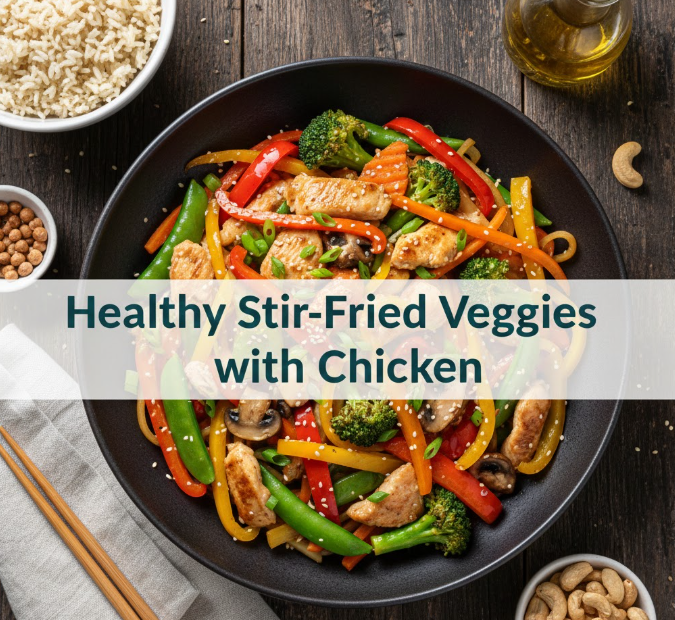
Eating healthy does not mean eating boring food. In fact, some of the most nutritious meals are also the most colorful, tasty, and satisfying. One perfect example is healthy stir-fried veggies with chicken. This dish combines lean protein, fresh vegetables, and light seasonings to create a meal that is quick to cook, easy to customize, and great for your overall health.
Whether you are a busy student, a working professional, or someone trying to eat better at home, stir-fried chicken and vegetables can fit perfectly into your routine. It is a popular choice across many cultures because it is simple, flexible, and packed with nutrients.
In this detailed guide, you will learn everything you need to know about making a healthy chicken and vegetable stir-fry. From ingredient choices and cooking methods to nutrition benefits and meal-prep tips, this article will help you master a dish that is both delicious and good for you.
Why Healthy Stir-Fried Veggies with Chicken Is a Smart Choice
Stir-frying is one of the best cooking methods for people who want tasty food without too much oil or calories. When done correctly, it keeps vegetables crisp and full of nutrients while cooking chicken quickly and evenly.
Here’s why this meal stands out:
It is high in protein, helping build and repair muscles
It includes fiber-rich vegetables that support digestion
It cooks fast, making it ideal for busy days
It uses minimal oil, keeping calories under control
It can be adjusted for weight loss, muscle gain, or balanced eating
Unlike deep-fried or heavily sauced dishes, a healthy chicken stir-fry focuses on fresh ingredients and light flavors.
Key Ingredients for a Nutritious Stir-Fry
Choosing the right ingredients is the first step to making a healthy stir-fried veggie and chicken dish. Each ingredient plays a role in taste, texture, and nutrition.
Lean Chicken Choices
Chicken is the main protein source in this dish. For the healthiest option, choose:
Chicken breast (skinless) – low in fat, high in protein
Chicken tenderloins – soft and quick to cook
Avoid chicken with skin or pre-breaded chicken, as these add extra fat and calories.
Best Vegetables for Stir-Frying
Vegetables add color, crunch, and important vitamins. A mix of different colors gives you more nutrients.
Popular stir-fry vegetables include:
Bell peppers (red, yellow, green)
Broccoli florets
Carrots (thinly sliced)
Snow peas or sugar snap peas
Zucchini
Mushrooms
Baby corn
Spinach or bok choy
You can use fresh or frozen vegetables, but fresh ones usually give better texture.
Healthy Oils and Seasonings
Oil is necessary for stir-frying, but the type and amount matter.
Healthier oil options:
Olive oil
Avocado oil
Sesame oil (use a small amount for flavor)
Flavorful but light seasonings:
Garlic (freshly minced)
Ginger (grated)
Low-sodium soy sauce
Lemon juice
Black pepper
Chili flakes (optional)
Nutritional Value at a Glance
Healthy stir-fried veggies with chicken offers a balanced mix of nutrients. Below is a simple table showing approximate values for one serving.
| Nutrient | Approximate Amount |
|---|---|
| Calories | 300–400 kcal |
| Protein | 30–35 g |
| Carbohydrates | 20–25 g |
| Fiber | 5–7 g |
| Fat | 10–12 g |
| Sodium | Depends on sauce |
This makes it a great meal for lunch or dinner without feeling heavy.
How Stir-Frying Preserves Nutrients
Stir-frying uses high heat for a short time. This cooking method helps vegetables keep more vitamins compared to boiling.
Benefits of Stir-Frying Vegetables
Vegetables stay crisp, not soggy
Less nutrient loss due to shorter cooking time
Requires less oil than deep-frying
Enhances natural flavors
When vegetables are overcooked, they lose both texture and nutrients. Stir-frying avoids this problem.
Step-by-Step Guide to Making Healthy Stir-Fried Veggies with Chicken
Cooking this dish is simple, even for beginners. Follow these steps for the best results.
Step 1: Prepare the Ingredients
Before turning on the stove:
Wash and cut vegetables into similar-sized pieces
Slice chicken breast into thin strips
Mince garlic and grate ginger
Measure sauces and seasonings
Having everything ready makes cooking smooth and fast.
Step 2: Cook the Chicken First
Heat 1 tablespoon of oil in a large pan or wok
Add chicken slices in a single layer
Cook for 4–6 minutes until fully cooked
Remove chicken and set aside
Cooking chicken first keeps it juicy and prevents overcooking vegetables.
Step 3: Stir-Fry the Vegetables
Add a little more oil if needed
Start with harder vegetables like carrots and broccoli
Add softer vegetables like peppers and mushrooms later
Stir constantly for even cooking
Vegetables should be tender but still slightly crunchy.
Step 4: Combine and Season
Add cooked chicken back to the pan
Add garlic, ginger, and sauce
Stir well and cook for 1–2 minutes
Taste and adjust seasoning if needed.
Healthy Sauce Ideas for Chicken Stir-Fry
Sauce adds flavor, but too much can turn a healthy meal into a high-sodium one. Use light sauces and small amounts.
Simple Low-Calorie Sauce Recipe
Ingredients:
2 tablespoons low-sodium soy sauce
1 tablespoon lemon juice or rice vinegar
1 teaspoon honey or brown sugar
1 teaspoon cornstarch mixed with water
This sauce adds flavor without too many calories.
Sauce Alternatives
Teriyaki (low-sugar version)
Garlic and chili sauce
Light peanut sauce (use sparingly)
Customizing Your Stir-Fry for Different Goals
One great thing about stir-fried chicken and vegetables is how easy it is to customize.
For Weight Loss
Use extra vegetables and less oil
Skip sugary sauces
Serve without rice or with cauliflower rice
For Muscle Building
Increase chicken portion
Add quinoa or brown rice
Include healthy fats like sesame seeds
For Balanced Family Meals
Mix colorful vegetables
Serve with whole grains
Keep spice levels mild
Best Side Dishes to Serve with Stir-Fried Chicken and Veggies
This dish works well on its own, but you can pair it with healthy sides.
Popular options include:
Brown rice
Quinoa
Whole wheat noodles
Steamed jasmine rice (small portion)
Lettuce wraps
Common Mistakes to Avoid When Stir-Frying
Even simple dishes can go wrong if small mistakes are made.
Avoid These Errors
Overcrowding the pan (causes steaming, not frying)
Using too much sauce
Cooking vegetables too long
Using high-sodium sauces without balance
Keeping the pan hot and ingredients light is the key.
Meal Prep and Storage Tips
Healthy stir-fried veggies with chicken is excellent for meal prep.
How to Store Properly
Let food cool before storing
Use airtight containers
Refrigerate for up to 3–4 days
Reheating Tips
Reheat in a pan for best texture
Add a splash of water if dry
Avoid overheating to keep chicken tender
Stir-Fry Variations from Around the World
This dish can be inspired by different cuisines.
Asian-Inspired Version
Add soy sauce, ginger, and sesame oil
Include bok choy and snow peas
Mediterranean Twist
Use olive oil and lemon
Add zucchini, spinach, and oregano
Spicy Fusion Style
Add chili paste or hot sauce
Include bell peppers and onions
Health Benefits You Can Expect
Eating healthy stir-fried veggies with chicken regularly can support overall wellness.
Key Health Benefits
Supports muscle strength with lean protein
Improves digestion with fiber-rich vegetables
Helps maintain healthy weight
Boosts energy levels
Supports heart health with healthy fats
Frequently Asked Questions
Is stir-fried chicken healthy?
Yes, when made with lean chicken, fresh vegetables, and minimal oil, it is a very healthy meal.
Can I use frozen vegetables?
Yes, but fresh vegetables give better texture. If using frozen, cook them a bit longer.
How often can I eat this dish?
You can eat it several times a week as part of a balanced diet.
Visual Nutrition Breakdown (Concept)
Imagine a simple plate chart:
50% vegetables
30% lean chicken
20% whole grains or healthy carbs
This balance keeps the meal nutritious and filling.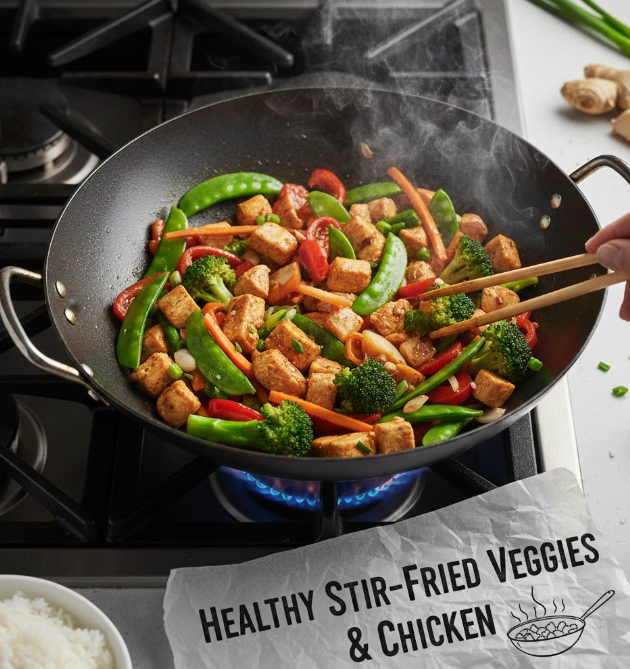 0
0
Final Thoughts: A Simple Meal with Big Benefits
Healthy stir-fried veggies with chicken is more than just a quick dinner idea. It is a complete, balanced meal that fits many lifestyles and health goals. With the right ingredients and cooking method, you get a dish that is rich in flavor, full of nutrients, and easy to prepare at home.
By choosing lean chicken, colorful vegetables, and light seasonings, you can enjoy a meal that supports your health without sacrificing taste. Whether you are cooking for yourself or your family, this stir-fry is a reliable option that never gets boring.
Make it your own, experiment with flavors, and enjoy the satisfaction of eating something that is both delicious and nourishing.