
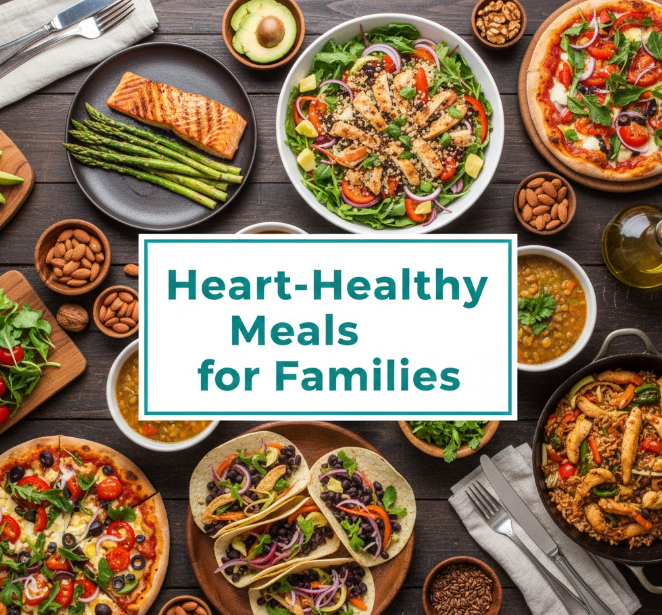
Why Your Family’s Heart Health Starts in the Kitchen
Every meal you serve your family is a chance to protect their hearts. Heart disease remains the leading cause of death worldwide, but here’s the good news: what we eat plays a massive role in keeping our hearts strong and healthy. When you cook heart-healthy meals at home, you’re not just feeding your family—you’re building a foundation for their long-term wellness.
Many parents think heart-healthy cooking means tasteless food or spending hours in the kitchen. That’s simply not true. With the right ingredients and simple techniques, you can create delicious meals that your kids will actually enjoy while protecting everyone’s cardiovascular system. This guide will show you exactly how to do that, with practical tips, easy recipes, and strategies that fit into your busy schedule.
What Makes a Meal Heart-Healthy?
Before diving into recipes and meal plans, let’s understand what actually makes food good for your heart. Heart-healthy eating isn’t about one magic ingredient or cutting out entire food groups. It’s all about balance and making smarter choices most of the time.
The Building Blocks of Heart-Smart Eating
Fiber-Rich Foods: Fiber helps lower cholesterol levels and keeps your digestive system running smoothly. Whole grains, beans, fruits, and vegetables are packed with fiber. When you choose brown rice instead of white rice or whole wheat bread instead of white bread, you’re adding more fiber to your family’s diet.
Healthy Fats: Not all fats are bad. Your heart actually needs certain fats to function properly. Olive oil, avocados, nuts, and fatty fish like salmon contain omega-3 fatty acids that reduce inflammation and protect your heart. The fats you want to limit are saturated fats found in butter, fatty meats, and full-fat dairy products.
Lean Proteins: Protein builds and repairs your body’s tissues, but the source matters. Skinless chicken, turkey, fish, beans, and lentils provide protein without excessive saturated fat. Red meat can be part of a healthy diet, but choose lean cuts and eat it less frequently.
Fruits and Vegetables: These colorful foods are loaded with vitamins, minerals, and antioxidants that fight damage to your blood vessels. Aim to fill half your plate with fruits and vegetables at every meal.
Low Sodium: Too much salt raises blood pressure, which strains your heart. Most Americans eat far more sodium than they need, mainly from processed and restaurant foods. Cooking at home lets you control the salt shaker.
Simple Swaps That Make Big Differences
You don’t need to completely overhaul your family’s diet overnight. Small changes add up to significant improvements in heart health. Here are easy substitutions you can start making today.
Breakfast Transformations
Instead of sugary cereals, try oatmeal topped with fresh berries and a sprinkle of cinnamon. If your kids resist plain oatmeal, add a small drizzle of honey or maple syrup. The fiber in oats helps lower cholesterol, and berries provide antioxidants.
Replace bacon and sausage with turkey bacon or vegetarian sausage patties a few times per week. You’ll reduce saturated fat without sacrificing the savory flavors your family loves. Scrambled eggs with vegetables like spinach, tomatoes, and bell peppers create a nutrient-packed start to the day.
Whole grain toast with avocado beats buttered white toast every time. Avocado provides healthy fats and a creamy texture kids enjoy, while whole grains deliver sustained energy throughout the morning.
Lunch and Dinner Upgrades
Swap white pasta for whole wheat pasta or try alternatives like chickpea pasta, which adds extra protein and fiber. Your family probably won’t even notice the difference, especially when you top it with a flavorful tomato-based sauce loaded with vegetables.
Choose baked or grilled chicken instead of fried. Marinate chicken breasts in olive oil, lemon juice, and herbs for amazing flavor without deep frying. A simple oven-baked chicken seasoned with paprika, garlic powder, and black pepper can be just as satisfying as fried chicken.
Build meals around vegetables rather than meat. Try “Meatless Monday” or incorporate more plant-based meals into your rotation. Black bean tacos, lentil soup, and vegetable stir-fry with tofu are filling, delicious options that reduce saturated fat intake.
Use herbs and spices instead of salt for flavoring. Garlic, onion powder, cumin, basil, oregano, and countless other seasonings add depth to your cooking without raising blood pressure.
Family-Friendly Heart-Healthy Recipes
Let’s get practical with recipes your whole family will actually eat. These dishes are tested, approved by kids, and simple enough for busy weeknights. For more healthy lifestyle tips and recipes, visit TrendyBlitz.
Mediterranean Chicken Sheet Pan Dinner
This one-pan meal combines lean protein with plenty of vegetables. Preheat your oven to 400°F. On a large baking sheet, arrange chicken thighs (skin removed), cherry tomatoes, zucchini chunks, red onion wedges, and whole garlic cloves. Drizzle everything with olive oil, sprinkle with dried oregano, and add a pinch of salt and pepper. Roast for 35-40 minutes until the chicken is cooked through and vegetables are tender. Serve with brown rice or whole wheat couscous.
Fish Tacos with Cabbage Slaw
Fish might seem like a hard sell for kids, but these tacos change minds. Season tilapia or cod fillets with chili powder, cumin, and a little salt. Bake at 375°F for 12-15 minutes until the fish flakes easily. While the fish cooks, make a simple slaw by mixing shredded cabbage with lime juice, a touch of olive oil, and cilantro. Warm whole wheat tortillas, break the fish into chunks, and let everyone build their own tacos with the slaw, diced tomatoes, and a dollop of Greek yogurt instead of sour cream.
Veggie-Packed Turkey Meatballs
These meatballs sneak vegetables into a kid-favorite food. Mix ground turkey with finely grated zucchini, shredded carrots, minced garlic, one egg, whole wheat breadcrumbs, and Italian seasonings. Roll into balls and bake at 375°F for 20-25 minutes. Serve with whole wheat pasta and marinara sauce, or make meatball subs on whole grain rolls.
Rainbow Buddha Bowl
Buddha bowls let everyone customize their meal, which helps picky eaters try new things. Start with a base of quinoa or brown rice. Set out bowls of different toppings: roasted sweet potatoes, chickpeas, steamed broccoli, shredded carrots, cucumber slices, avocado, and any other vegetables your family enjoys. Make a simple tahini dressing by mixing tahini, lemon juice, garlic, and a little water until smooth. Everyone builds their own bowl with their favorite ingredients.
Meal Planning Strategies for Heart Health
Cooking heart-healthy meals consistently becomes much easier when you plan ahead. Here’s how to set yourself up for success.
The Sunday Prep Session
Dedicate an hour on Sunday to prepare ingredients for the week. Wash and chop vegetables, cook a big batch of brown rice or quinoa, grill several chicken breasts, and hard-boil a dozen eggs. Store everything in clear containers in your refrigerator. When dinnertime arrives on a busy Tuesday, you’ll have components ready to quickly assemble into healthy meals.
Keep a Well-Stocked Pantry
Certain staples make heart-healthy cooking easier. Keep these items on hand:
- Canned beans (low sodium)
- Whole wheat pasta
- Brown rice and quinoa
- Canned tomatoes (low sodium)
- Olive oil
- A variety of dried herbs and spices
- Oats
- Nuts and seeds
- Frozen vegetables and fruits (with no added sugar or sauce)
Batch Cooking Saves Time and Hearts
Make double or triple batches of soups, chili, and casseroles. Freeze portions in family-sized or individual containers. On nights when you’re too tired to cook, you’ll have a healthy homemade meal ready to reheat instead of ordering takeout or opening processed convenience foods.
Getting Kids Involved in Heart-Healthy Eating
Children who help prepare meals are more likely to eat them. Plus, teaching kids about nutrition early creates lifelong healthy habits.
Age-Appropriate Kitchen Tasks
Young kids (ages 3-6) can wash vegetables, tear lettuce for salads, and stir ingredients in bowls. They can also help measure and pour ingredients under supervision.
Elementary school children (ages 7-10) can use vegetable peelers, crack eggs, measure ingredients independently, and start using knives to cut soft foods with supervision.
Tweens and teens can follow simple recipes on their own, use the stove and oven safely, and plan meals for the family once they’ve learned basic cooking skills.
Make It Fun and Educational
Turn cooking into a game. Challenge kids to identify as many different colored vegetables as they can at the grocery store. Explain that eating a rainbow of colors gives their bodies different nutrients.
Let children choose one new fruit or vegetable to try each week. They might discover they love roasted Brussels sprouts or fresh mango.
Talk about how food affects their bodies in terms they understand. “This salmon has special fats that help your brain work better in school” or “These beans have protein that makes your muscles strong for soccer practice.”
Dining Out Without Derailing Heart Health
Eating heart-healthy doesn’t mean you can never enjoy restaurant meals or takeout. It just requires making smarter choices when you’re away from your kitchen.
Restaurant Strategies
Look at the menu online before you arrive so you can make a thoughtful decision without pressure. Many restaurants now mark healthier options on their menus.
Choose grilled, baked, or steamed dishes instead of fried. Ask for sauces and dressings on the side so you control how much you use.
Start meals with a salad or broth-based soup to fill up on vegetables before the main course arrives. Share entrees or take half home immediately. Restaurant portions are usually large enough for two meals.
Skip the bread basket, or ask the server to bring it after your meal arrives so you’re not filling up on refined carbs while hungry.
Order water, unsweetened iced tea, or sparkling water with lemon instead of soda. Sugary drinks add empty calories and don’t benefit heart health.
Understanding Food Labels
Reading nutrition labels helps you make informed choices at the grocery store. According to the American Heart Association, focus on these key areas:
Serving Size: Check this first. Many packages contain multiple servings, so multiply the nutrition information if you’ll eat the whole package.
Sodium: Look for products with less than 200 mg of sodium per serving. Daily sodium intake should stay under 2,300 mg, and ideally closer to 1,500 mg for optimal heart health.
Saturated Fat: Keep this low. Choose products with less than 2 grams of saturated fat per serving when possible.
Fiber: More is better. Look for at least 3 grams of fiber per serving in grain products.
Added Sugars: The less, the better. Many processed foods contain shocking amounts of added sugar.
Ingredient List: Ingredients are listed by weight, so the first few ingredients make up most of the product. Choose items where whole grains, vegetables, or lean proteins appear first rather than sugar, refined flour, or unhealthy fats.
Budget-Friendly Heart-Healthy Shopping
Healthy eating doesn’t have to cost a fortune. These strategies keep your grocery bill reasonable while protecting your family’s hearts.
Buy seasonal produce when it’s least expensive and tastes best. Frozen fruits and vegetables are just as nutritious as fresh and often cheaper. They’re also convenient because they’re already washed and chopped.
Purchase store brands instead of name brands for basics like olive oil, canned beans, and whole grains. The quality is usually comparable, but the price is significantly lower.
Buy whole chickens and cut them up yourself rather than buying pre-cut pieces. You’ll save money and can use the bones to make homemade broth.
Plant-based proteins like beans, lentils, and eggs cost much less than meat while providing excellent nutrition. Even replacing meat with beans just twice a week reduces your grocery spending noticeably.
Join a wholesale club for items you use frequently like olive oil, nuts, and whole grains. The upfront cost is higher, but the per-unit price is lower, and these items store well.
Creating a Heart-Healthy Food Environment
Your home environment influences eating habits. Make healthy choices the easy choices.
Keep a fruit bowl on the counter where everyone can see and reach it. Visual cues prompt healthier snacking. Store less healthy treats out of sight or don’t buy them regularly.
Prepare cut vegetables and store them at eye level in clear containers in the refrigerator. When kids open the fridge looking for a snack, they’ll see healthy options first.
Keep water easily accessible. Put a pitcher of water with lemon slices in the refrigerator so everyone can pour themselves a healthy drink without thinking about it.
Establish regular meal times when possible. Families who eat together tend to eat more nutritious foods and less fast food.
Tracking Progress and Celebrating Success
Small victories deserve recognition. When your child tries a new vegetable, celebrate it. When your family completes a week of home-cooked dinners, acknowledge the achievement.
Take before photos when you start your heart-healthy journey. After a few months, take new photos. Visual progress motivates continued effort.
Notice non-scale victories. Better sleep, more energy, improved mood, and clearer thinking all result from better nutrition. These changes matter more than numbers on a scale.
Consider having annual checkups where you track cholesterol levels, blood pressure, and other heart health markers. Seeing these numbers improve provides concrete evidence that your efforts are working.
Frequently Asked Questions
How quickly will heart-healthy eating show results?
Some changes happen fast while others take time. You might feel more energetic within a week or two of eating better. Cholesterol levels typically improve within three to six months of dietary changes. Blood pressure can drop in just a few weeks. The key is consistency rather than perfection.
What if my kids refuse to eat vegetables?
Keep offering vegetables without pressure. It can take 10-15 exposures to a new food before children accept it. Try different preparation methods—some kids hate raw tomatoes but love cherry tomatoes roasted with a little olive oil. Let kids dip vegetables in hummus or yogurt-based dressings. Add finely chopped vegetables to foods they already enjoy like pasta sauce or meatballs.
Can heart-healthy meals really taste good?
Absolutely! Heart-healthy cooking uses plenty of herbs, spices, garlic, citrus, and other flavorings that make food delicious. The restriction is mainly on excess salt and unhealthy fats, not on flavor itself. Many people discover they actually prefer the taste of whole foods once they adjust to less processed options.
Is it okay to eat red meat occasionally?
Yes, red meat can fit into a heart-healthy diet in moderation. Choose lean cuts like sirloin or tenderloin, trim visible fat, and keep portions to about 3-4 ounces. Consider red meat a weekly treat rather than a daily staple. Grass-fed beef contains more omega-3 fatty acids than grain-fed beef.
What’s the best cooking oil for heart health?
Olive oil, especially extra virgin olive oil, tops the list for heart health. Avocado oil and canola oil are also good choices. Avoid oils high in saturated fat like coconut oil and palm oil for everyday cooking. Save butter for occasional use as a flavor accent rather than your primary cooking fat.
Do I need to count calories for heart health?
Not necessarily. Focusing on whole foods, proper portions, and lots of vegetables naturally keeps calories reasonable without constant counting. However, if weight loss is a goal for heart health, being aware of portion sizes helps. Using smaller plates tricks your brain into feeling satisfied with less food.
Your Journey to a Healthier Heart Starts Now
Transforming your family’s eating habits doesn’t happen overnight, and it doesn’t have to. Start with one or two changes this week. Maybe swap white rice for brown rice, or add an extra vegetable to dinner. Next week, try a new heart-healthy recipe. The following week, involve your kids in meal preparation.
Each small step moves your family toward better heart health. You’re not aiming for perfection—you’re building sustainable habits that protect the hearts of the people you love most. The effort you invest now in learning to cook nutritious meals pays dividends for decades to come in the form of healthier, happier family members.
Remember that heart disease is largely preventable through lifestyle choices, with diet playing a starring role. By choosing to feed your family wholesome, heart-healthy meals, you’re giving them one of the greatest gifts possible: the chance for a long, vibrant life with a strong, healthy heart beating at its center.