

The Reasons Why Fish Should Be on Your Family Table
Preparing dinner at night should not be as difficult as climbing a mountain. Fish is something special as it can be prepared within a short time, it is healthy and delicious and provides the whole family with the necessary nutrients.
The most frequent concerns of many parents are that it appears to be difficult to cook fish or their children would not want to touch it. It is not as complicated as you believe. Fish is one of the simplest proteins that can be cooked with the right recipes and a couple of simple methods.
Fish is also a source of omega-3 fatty acids, which are essential in the development of the brains of kids, as well as in maintaining adults healthy. It is high in protein but lower in calories as compared to red meat. In addition, majority of fish recipes take less than 20 minutes to cook.
This guide will take you through all that you need to know in preparation of fish to your family. You will find out about recipes that the pickiest among us will love, how to choose fresh fish in the store, and how to cook in a way that will never fail. For more cooking inspiration and family meal ideas, visit TrendyBlitz.
How to Choose the Right Fish to Eat with Your Family
Families do not eat every type of fish. Others are very salty and children do not accept them. There are those that are too expensive to eat. The ideal family fish has three characteristics, which include taste that is mild, low cost, and easy accessibility.
Best Fish Options for Beginners
Tilapia is the first on the list of families who are new to cooking fish. It nearly smells and tastes like fish. The white, flaky meat will be an attraction to children who would otherwise grimace at seafood.
Salmon may sound like a fancy dish, but it is something people who are just beginning at it should eat. The flavor is not too intense, and salmon remains moist even in case you overcooked it a bit. Children are fond of pink color.
Cod produces you heavy thick fillets, which will hold together well in cooking. It is a fish that is ideal to bake or use as fish sticks at home.
Catfish is a mild and sweet dish resembling chicken. It is normally less expensive than others and fries well.
What to Look for When Shopping
Fresh fish must not be reeking of fishiness. The smell of that ocean should hardly be noticed. When fish smells bad or fishy, then it is beyond the best.
Look at the flesh. It must be juicy and crystal clear, not dry and milky. Gently push it with your finger—it must not make an impression.
Check the eyes on whole fish. They are supposed to appear transparent and distended. Sunken and cloudy eyes indicate that the fish is not fresh.
Most recipes do not require fresh fish and frozen fish will do. It is even better sometimes since it was frozen immediately after it was caught and the freshness is locked in.
The Kitchen Tools You Definitely Need
There is no need to have fancy equipment to cook fish. There are minimal tools that can facilitate the task and assist in achieving better results.
An effective non-stick pan does not allow fish to stick and disintegrate. A baking dish, which is oven-safe, allows one to cook fish in the oven without any hassle. A fish spatula that has a thin curved edge assists you in flipping delicate fillets without fracturing them.
Parchment paper should be saved to use in baking. It does not stick but it is so easy to clean up. A meat thermometer eliminates the guessing game as to when fish is cooked.
Recipe 1: Crispy Baked Fish Fingers
Children are mad about these home cooked fish sticks. They also are tastier than frozen ones and have no secret ingredients.
Ingredients
- 1 pound cod or tilapia fillets
- 1 cup panko breadcrumbs
- 1/2 cup regular breadcrumbs
- 2 eggs
- 1/2 cup flour
- 1 teaspoon garlic powder
- 1 teaspoon paprika
- Salt and pepper
- Cooking spray
Step-by-Step Instructions
Heat your oven to 425°F. Prepare a baking sheet with parchment paper and grease it with cooking spray.
Cut the fish into strips of about 3 inches long and 1 inch wide which are of a size sufficient to make fingers. Wipe them dry thoroughly with paper towels. Wet fish won’t get crispy.
Set up three shallow bowls. In the first bowl put flour mixed with salt and pepper. Beat eggs in the second bowl. Combine both categories of breadcrumbs, garlic and paprika in the third bowl.
Dip individual strips of fish in flour, then in egg, and breadcrumbs. The breadcrumbs should be pressed on sturdily to attach. Arrange the strips on the prepared baking sheet with the coating.
Spray the tops of fish fingers with cooking oil. This assists them to brown and become crispy.
Bake 12-15 minutes, turning halfway through. The fish fingers are cooked when they are golden brown and they are easy to cut using a fork.
Garnish with ketchup, tartar sauce or lemon squeezer.
Recipe 2: One-Pan Lemon Garlic Salmon
This salmon is restaurant quality with hardly any effort. All the cooking is on a single pan hence less cleaning.
Ingredients
- 4 salmon fillets (approximately 6 oz each)
- 3 tablespoons butter, melted
- 4 garlic cloves, minced
- Juice of 1 lemon
- 1 teaspoon dried parsley
- Salt and pepper
- Lemon slices for garnish
Cooking Instructions
Preheat your oven to 400°F. Prepare a baking sheet with foil so that it can be easily cleaned.
Salmon fillets can be placed on the baking sheet with the skin side down, should they have the skin. Pat them dry.
Combine minced garlic, lemon juice, parsley, salt, and pepper with melted butter in a small bowl. Spread this mixture on the salmon.
Bake for 12-15 minutes. Salmon is cooked when it is easily flaked and it has 145°F within it.
Serve with lemon slices on top. The entire food preparation requires 20 minutes.
Recipe 3: Simple Pan-Fried Tilapia
Pan-fried tilapia rescues you when you need to have something quick to eat. This technique will provide you with crispy outside and tender inside within 10 minutes only.
What You Need
- 4 tilapia fillets
- 2 tablespoons olive oil
- 2 tablespoons butter
- 1 teaspoon garlic powder
- 1 teaspoon onion powder
- Salt and pepper
- Fresh parsley, chopped
How to Cook It
Wipe the tilapia fillets dry. Season both sides with garlic powder, onion powder, salt and pepper.
Add butter and heat the olive oil in a large non-stick pan on the medium-high heat. Once the foaming of the butter ceases, the pan is prepared.
Fillets should be carefully placed in the pan. Do not stir them about—leave them to cook 3-4 minutes. The lower part must get golden brown.
Flip the fillets gently. Continue cooking on the other side another 3-4 minutes.
Garnish with fresh parsley and serve at once. The fish needs to be easily flaked with a fork.
Recipe 4: Foil-Packet Fish with Vegetables
This is a technique of cooking that preserves the flavor and moisture. On top of this, each person receives a personal packet and this is enjoyable among the kids.
Ingredients Per Packet
- 1 fish fillet (cod, tilapia or halibut)
- 1/2 cup cherry tomatoes, halved
- 1/4 cup sliced zucchini
- 1/4 cup sliced bell pepper
- 1 tablespoon olive oil
- 1 tablespoon lemon juice
- 1 garlic clove, minced
- Fresh herbs (dill, parsley or basil)
- Salt and pepper
Making the Packets
Prepare an aluminum foil covering each serving, which is large. Place it shiny side down.
Place the fish fillet at the centre of the foil. Put the vegetables about and over the fish.
Pour olive oil and lemon juice. Add minced garlic, herbs, salt and pepper.
Cover the fish and vegetables with the foil. Fold the edges tightly and close them over a number of times. The packet ought to be entirely closed but there should be space in it to allow steam.
Cooking Options
Oven method: Preheat to 400°F. Put packets on a baking tray. Bake for 15-20 minutes.
Grill method: Packets should be placed on a preheated grill over medium heat. Cook for 10-15 minutes.
Open packets carefully (be careful of steam) then serve in foil or transfer onto plates.
Recipe 5: Fish Tacos the Whole Family Will Love
Everything is better with tacos. These tacos are made of fish and make a very ordinary meal something to look forward to, on the behalf of kids.
Ingredients
- 1 pound white fish (cod or tilapia)
- 1 tablespoon chili powder
- 1 teaspoon cumin
- 1/2 teaspoon paprika
- Salt and pepper
- 2 tablespoons oil
- 8 small tortillas
- Shredded cabbage
- Diced tomatoes
- Avocado slices
- Sour cream
- Lime wedges
Preparation Steps
Combine chili powder, cumin, paprika, salt, and pepper in the small bowl. Spread this mixture of spices all over the fish fillets.
Heat the oil in a pan on medium high heat. Grill fish on either side until it breaks apart. Break it into chunks.
Heat the tortillas in a dry pan or warm them in the microwave oven in a moist paper towel.
Set up a taco bar. Prepare the fish, cabbage, tomatoes, avocado and sour cream in different bowls. Allow them to make their tacos themselves.
Add the juice of fresh lime over and enjoy.
Quick Comparison of Cooking Methods
| Cooking Method | Time Required | Best Fish Types | Difficulty Level | Cleanup Effort |
|---|---|---|---|---|
| Baking | 15-20 minutes | All types | Very Easy | Low |
| Pan-frying | 8-10 minutes | Thin fillets | Easy | Medium |
| Grilling | 10-15 minutes | Thick fillets, whole fish | Medium | Low |
| Foil packets | 15-20 minutes | All types | Very Easy | Very Low |
| Broiling | 8-12 minutes | Thin to medium fillets | Easy | Low |
Tips for Making Fish Kid-Friendly
It seems impossible to make children eat fish. These plans are in fact effective.
Dress up the fish in well known formats. Fish sticks, tacos, and nuggets have a similar appearance to foods that kids adore.
Let them help cook. Children consume what they were involved in producing. Assign such easy duties as lemon juice squeezing or vegetables sorting.
Start with the mildest fish. Tilapia and cod practically lack fish flavor. When the kids take them, bring on board salmon and other varieties gradually.
Garnish fish with favorite sides. The meal becomes less frightening with the help of mac and cheese, French fries, or corn on the cob.
Use dipping sauces. Nothing is as good without a sauce. Add ketchup, ranch dressing, or honey mustard.
Don’t force it. Serve fish without urging on a regular basis. There are also cases when children have to be exposed to a food numerous times until they can try it.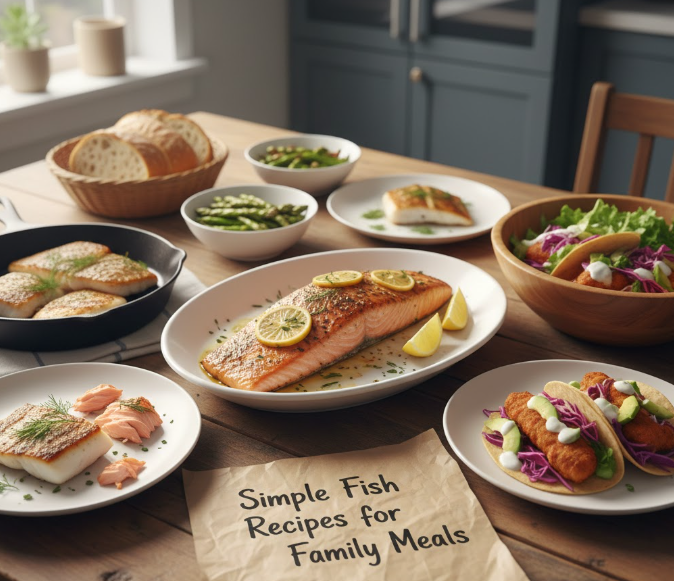
Smart Shopping and Storage Tips
The proper purchase and storage of fish is a big difference between the fish taste and longevity.
At the Store
Purchase fish as late as possible before the checkout to keep it cold. Unless you are cooking it on the same day, you should be able to get it home and refrigerated within two hours.
Read the date of sale on packed fish. Consume or freeze it within a one-two day time of purchase.
Ask questions at the fish counter. The employees are aware of the freshness of fish on that day.
At Home
Keep the fresh fish in the coolest section of your fridge which is normally the back of the bottom shelf.
Store fish in its packaging or cover it with a plastic wrap. Put it in an enclosed container or a plate to avoid dripping.
Freeze fish not to be consumed in two days. Close it with plastic wraps, then with aluminum foil. Label it with the date. Frozen fish remains good within a period of three months.
Thaw the frozen fish in the refrigerator overnight and not on a counter.
Making Meals More Interesting
Fish recipes can be very well so even simple recipes can become boring when one eats them as frequently. Minor shifts make the things interesting.
Sauce Variations
The same plain fish is turned into an entirely new dish with the help of a different sauce.
Tartar sauce: Prepared by combining mayonnaise, chopped pickle, lemon juice, and a small amount of onion powder.
Mango salsa: Chopped mango, red onion, cilantro, lime juice and a pinch of salt.
Honey mustard: Add equal amounts of Dijon mustard and honey and mix.
Garlic butter: Butter melted with minced garlic and fresh parsley.
Side Dish Ideas
Serve different sides of fish to make family meals interesting.
Fish goes well with rice pilaf, roasted potatoes, steamed broccoli, corn on the cob, coleslaw, sweet potato fries, green beans or pasta salad.
Common Mistakes to Avoid
Even the seasoned cooks commit these mistakes with fish. Being aware of what to shun makes you a success.
Overcooking is what destroys fish more quickly than anything. Fish can be cooked in a very short time and it dries up when left. When it can easily be flaked with a fork take it off the heat.
Using too much heat will result in stickiness and disintegration of fish. Most cooking methods are done using medium to medium-high heat.
Not drying the fish before cooking means it does not brown or become crisp. Fish should be dried using paper towels.
Flipping too soon tears the fish apart. Wait till the bottom forms a golden crust then attempt to flip it.
Forgetting to season means that fish is bland. Lemon, pepper and salt are essential.
Time-Saving Strategies for Busy Families
Even planning can make fish dinners easier.
Buy pre-portioned fillets instead of whole fish. They are ready to cook without any cutting.
Prep ingredients the evening before. Prepare spice rubs, pre-cut vegetables and prepare sauces.
Cook extra fish. The cooked fish that is left over will be very nice in salads, sandwiches or fish cakes.
Keep frozen fish on hand. It melts fast and is as good to cook as fresh.
Use one-pan methods. Fish and vegetable baking is quick and economical in terms of dishes.
Nutritional Benefits for Growing Kids
Growing bodies require fish as a source of nutrition.
Omega-3 fatty acids promote brain growth and brain functioning. They are also useful in focus and mood.
Protein forms robust muscles and makes kids feel fuller compared to consuming carbs only.
Vitamin D makes bones and teeth stronger. Lots of children lack access to this vitamin.
B vitamins provide children with energy throughout the day.
Selenium and zinc help in a good immune system.
Majority of fish is lean and thus it is rich in protein but low in unhealthy fats. This assists children to maintain healthy weights. According to the American Heart Association, eating fish at least twice a week can significantly benefit heart health for the whole family.
Frequently Asked Questions
How do I know when fish is fully cooked?
Fish is cooked when it turns 145°F internally and it breaks with a fork. The appearance of the flesh must not be transparent. In the absence of a thermometer, place a fork, with an angle, into the thickest section, and twist it. When the fish separates too easily, then it is cooked.
Can I use frozen fish without first thawing it?
Yes, but it is more time consuming to cook. Add about 50% more cooking time. Wash the frozen fish with cold water to eliminate any crystals of ice and dry it using a towel before cooking. Frozen fish is better baked than pan-fried.
What is the easiest fish to cook for beginners?
Tilapia wins for easiest. It is cheap, not spicy, does not mind much when overcooked, and it is everywhere. The fillets are mostly thin and hence they cook fast and uniformly.
How can I reduce the fishy smell when cooking?
Fresh fish is not supposed to be very fishy. When yours does, place in milk and wait 20 minutes, then cook—this gets rid of strong odors. Cook with lemon juice, which counteracts fishy odors. Ensure that your kitchen is well-ventilated.
What sides go best with fish?
Fish is good with light and fresh sides. Experiment with such dishes as roasted vegetables, rice pilaf, quinoa, green salad, steamed asparagus, or couscous. Heavy, cream sides that overpower the delicate taste of fish are to be avoided.
Is it safe to eat fish twice a week?
Indeed, healthcare professionals do suggest eating fish twice per week. Use different types of fish to obtain numerous nutrients, and reduce the risk of any contaminants. Substitute with oily fish such as salmon, white fish such as cod.
Can I make fish recipes ahead of time?
Fish is best eaten fresh, although it is possible to prepare ingredients in advance. Prepare side dishes, sauces and marinades a day before. Marinate or season fish beforehand, up to an hour preceding cooking, although with the best texture it must be cooked before serving.
What do I do with leftover cooked fish?
Keep it in a closed container in the refrigerator within a time of three days. Cooked fish may be used in salads, sandwiches, fish cakes or pasta. It is also excellent when used in scrambled eggs for breakfast.
Your Family’s New Favorite Dinners
Easy fish dishes will put healthy delicious meals on the table without the stress and complex methods. These recipes are useful on weekdays that are hectic and time is even less.
Begin with a single recipe that is liked by the family. Get it mastered until you feel good about it. Then try another. Soon you will be adding some of your favorite fish meals to your regulars.
Fish does not necessarily need to be frightening, nor costly. It is one of the simplest proteins to prepare using these simple strategies. Your family receives healthy food and you receive the reward of preparing something that is enjoyed by all.
The steps used in making the recipes will provide you all you require to begin cooking fish confidently. Buy a tilapia or salmon next time you do your shopping and have one tonight. Your family will thank you.