
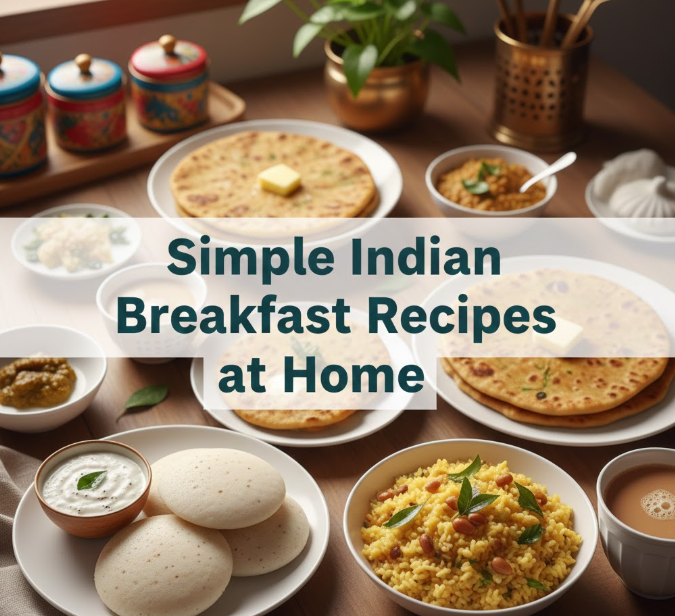
A good breakfast at the beginning of your day is a good omen to whatever comes later. Indian food has unlimited varieties of breakfast and the food is also very tasty and you can make it on your own. Whether you are a student who is in a hurry to school, or a parent who needs to cook breakfast for his family, these easy Indian breakfast recipes will make your mornings relaxing and fulfilling.
The reason why Indian breakfast is exceptional is that they are nutritious and have amazing tastes. Fluffy idlis to crispy parathas, there is something for everyone. The best part? The majority of these recipes are made of relatively easy to find ingredients that you are likely to have in your kitchen.
Why Indian Breakfasts are Effective in Hectic Mornings
The Indian breakfast recipes have been tested with time because of good reasons. They are also full and they give you constant energy all morning long and can be tailored to what you happen to have on hand.
Several Indian breakfast meals contain whole grains, lentils and vegetables. This meal doesn’t leave you hungry the way sugary cereal or pastry does. Furthermore, the majority of the recipes take 15-30 minutes, and it is exactly how they fit into the busy morning routine of the weekdays.
The other plus is that such dishes can be used to prepare meals. You can make batter or dough the night before which reduces morning time cooking by half.
Classic Rice-Based Breakfast Dishes
Poha: The 5-Minute Wonder
Boiled rice is flattened and it cooks incredibly fast. The given dish is of the Central Indian origin and has gained popularity within the whole country.
What You Need:
- 2 cups poha (flattened rice)
- 1 small onion, chopped
- 1 green chili, chopped
- 1 small potato, diced (optional)
- Mustard seeds, curry leaves
- Turmeric powder, salt
- Lemon juice, coriander leaves
How to Make It:
Wash the poha under water and dry it. Allow to rest 5 minutes until tender.
Heat oil in a pan, add mustard seeds. Once they have opened up add curry leaves, green chili and onions. Cook until onions become golden.
If adding potatoes, add them now and cook until soft. Sprinkle turmeric and salt.
Add the softened poha and stir gently. Cook for 2-3 minutes on low heat.
Finish with lemon juice and fresh coriander. Your poha is ready to serve.
Upma: The Savory Semolina Breakfast
Upma is prepared using semolina (rava or sooji) and it is very filling. It is popular in South Indian homes and is enjoyed everywhere.
Ingredients:
- 1 cup semolina
- 2 cups water
- 1 onion, chopped
- Mixed vegetables (carrots, peas, beans)
- Mustard seeds, urad dal, chana dal
- Green chilies, ginger
- Curry leaves, salt
Steps:
Dry roast semolina in a pan until it starts to smell nutty. Remove and set aside.
Heat oil in the same pan with mustard seeds. After they splutter, add dals, curry leaves and green chilies.
Add onions and cook until soft. Add vegetables and cook for 3-4 minutes.
Add water, sprinkle with salt and bring to a boil. Gradually stir in roasted semolina while stirring continuously to avoid lumps.
Cover and cook on low heat for 2 minutes. Fluff with fork and serve hot.
Bread-Based Quick Breakfast Options
Paratha: The Stuffed Indian Flatbread
Parathas are versatile flatbreads which may be plain or filled with different fillings. They are more substantial than the ordinary rotis.
Basic Paratha Dough:
- 2 cups whole wheat flour
- Water as needed
- Salt
- A little oil or ghee
Popular Stuffing Options:
Aloo Paratha (Potato): Mash boiled potatoes with spices, green chilies, and coriander. This is the most popular stuffing.
Paneer Paratha: Grated paneer mixed with spices makes a protein-rich breakfast.
Mooli Paratha (Radish): Grated radish with spices creates a filling which is slightly spicy and crunchy.
How to Assemble:
Make a soft dough and let it rest for 15 minutes.
Roll a small portion into a circle, place stuffing in the center and seal the edges.
Roll again gently to flatten the stuffed ball into a round flatbread.
Cook on a hot griddle with ghee or oil until golden brown on both sides.
Serve with yogurt, pickle or butter.
Bread Pakora: The Indian French Toast Alternative
This is crispy bread fritters that kids and adults equally love.
What You’ll Need:
- 6 bread slices
- 1 cup gram flour (besan)
- Water
- Spices: red chili powder, turmeric, salt
- Oil for frying
Mix gram flour with water to make a smooth batter. Add all spices.
Dip bread slices in the batter, coating both sides completely.
Deep fry in hot oil until golden and crispy.
Serve immediately with ketchup or green chutney.
South Indian Breakfast Favorites
Idli: Steamed Rice Cakes
Idlis are soft, fluffy steamed cakes made from fermented rice and lentil batter. They are extremely healthy and light on the stomach.
Making Idli Batter:
- 2 cups idli rice
- 1 cup urad dal
- Salt
- Water
Soak rice and dal separately for 4-6 hours.
Grind them separately into smooth pastes. Mix together, add salt and let ferment overnight.
The batter will rise and become slightly sour—that’s perfect.
Pour into idli molds and steam for 10-12 minutes.
Serve hot with sambar and coconut chutney.
Dosa: Crispy Rice Crepes
Dosas use the same batter as idlis, but they are spread thin on a griddle to create crispy crepes.
Types of Dosa:
Plain Dosa: Simple and crispy, perfect with chutney.
Masala Dosa: Filled with spiced potato mixture.
Rava Dosa: Made with semolina for instant preparation without fermentation.
Dosa-Making Tips:
Heat a flat griddle until very hot. Sprinkle water—it should sizzle and evaporate immediately.
Pour a ladle of batter and spread in circular motions from center to edges.
Drizzle oil around the edges. Cook until the bottom turns golden and crispy.
Fold or roll and serve immediately.
Protein-Rich Breakfast Ideas
Moong Dal Chilla: Savory Lentil Pancakes
These protein-packed pancakes are made from moong dal (split green gram).
Ingredients:
- 1 cup moong dal
- Green chilies, ginger
- Salt, turmeric
- Chopped onions, tomatoes, coriander
Soak moong dal for 2-3 hours. Grind into a smooth batter with green chilies and ginger.
Add salt, turmeric and vegetables to the batter.
Heat a griddle and pour a ladle of batter. Spread into a thin pancake.
Cook both sides with minimal oil until golden spots appear.
These chillas are excellent for diabetics and weight watchers.
Besan Chilla: Gram Flour Pancakes
Even quicker than moong dal chillas, these require no soaking.
Mix gram flour with water, spices and chopped vegetables. The batter should be pourable.
Cook like regular pancakes on a hot griddle.
These are instant, nutritious and gluten-free.
Regional Breakfast Specialties
Medu Vada: Crispy Lentil Donuts
From South India, these are crispy on the outside and soft inside.
Soak urad dal for 3-4 hours and grind into a fluffy paste without adding much water.
Add chopped onions, curry leaves and spices.
Shape into donuts with a hole in the center and deep fry until golden.
Kachori: Spicy Stuffed Fried Bread
Popular in North India, especially Rajasthan and Uttar Pradesh.
Make a stiff dough with all-purpose flour. Prepare a spicy filling with moong dal or urad dal.
Stuff small dough portions with filling, seal and deep fry.
Serve with tamarind chutney or potato curry.
Thepla: Gujarati Flatbread
These mildly spiced flatbreads stay fresh for days and travel well.
Mix whole wheat flour with grated bottle gourd or fenugreek leaves, spices and yogurt.
Roll into thin circles and cook on a griddle with oil.
Perfect for breakfast or as travel food.
Quick Comparison of Popular Breakfast Recipes
| Recipe | Cooking Time | Difficulty Level | Main Ingredients | Best Served With |
|---|---|---|---|---|
| Poha | 15 minutes | Easy | Flattened rice | Tea or coffee |
| Upma | 20 minutes | Easy | Semolina | Coconut chutney |
| Aloo Paratha | 30 minutes | Medium | Wheat flour, potatoes | Yogurt, pickle |
| Idli | 15 minutes (excluding fermentation) | Medium | Rice, lentils | Sambar, chutney |
| Dosa | 20 minutes | Medium | Rice, lentils | Sambar, chutney |
| Moong Dal Chilla | 25 minutes | Easy | Moong dal | Green chutney |
| Bread Pakora | 15 minutes | Easy | Bread, gram flour | Ketchup |
Tips for Making Perfect Indian Breakfasts
Plan Ahead
Prepare batters or doughs the night before. Many Indian breakfast recipes benefit from advance preparation.
Store fermented batters in the refrigerator. They stay fresh for 2-3 days.
Chop vegetables in advance and store in airtight containers.
Kitchen Tools That Help
A good non-stick griddle makes cooking parathas and dosas easier.
An idli steamer is essential for perfect steamed rice cakes.
A food processor saves time when grinding batters.
Making Things Healthier
Use less oil by cooking on non-stick surfaces.
Add extra vegetables to any dish for more nutrition.
Choose whole grains over refined flour whenever possible.
Batch Cooking Strategy
Make extra parathas and freeze them. Reheat in minutes for quick breakfasts.
Prepare large batches of chilla batter and store in the refrigerator.
Cook extra servings and pack them for lunch boxes.
Common Mistakes to Avoid
With Fermented Batters:
Don’t over-ferment the batter. It becomes too sour.
Never use cold batter directly from the refrigerator. Let it come to room temperature.
While Making Parathas:
Don’t add too much stuffing—it makes rolling difficult.
Always seal edges properly to prevent filling from leaking.
Cook on medium heat, not high, for even cooking.
When Preparing Upma:
Roasting semolina properly is crucial for good texture.
Add water slowly while stirring to avoid lumps.
Don’t make the upma too dry or too mushy.
Budget-Friendly Breakfast Planning
Indian breakfast recipes are naturally economical. Most ingredients are pantry staples that cost very little.
Weekly Breakfast Budget Breakdown:
Poha costs less than 50 rupees per kg and serves 6-8 people.
Semolina for upma is affordable and lasts long.
Wheat flour for parathas is the cheapest grain option.
Money-Saving Tips:
Buy lentils and rice in bulk for better prices.
Use seasonal vegetables in stuffings and toppings.
Make chutneys at home instead of buying packaged versions.
For more tips on budget-friendly cooking and lifestyle trends, check out TrendyBlitz.
Meal Prep for the Week
Sunday prep can save you hours during busy weekdays.
What to Prepare in Advance:
Grind and ferment idli-dosa batter. It stays fresh for 5 days in the refrigerator.
Make paratha dough and store it in the fridge for 2-3 days.
Prepare dry masala powders for various dishes.
Cook and mash potatoes for aloo paratha filling.
Grate vegetables and store in airtight containers.
Morning Assembly:
With prep done, breakfast takes just 10-15 minutes.
Heat the griddle while you organize toppings.
Cook in batches if feeding multiple people.
Serving Suggestions and Accompaniments
No Indian breakfast is complete without the right sides.
Essential Chutneys:
Coconut chutney is perfect with South Indian dishes.
Green coriander chutney pairs well with most snacks.
Tamarind chutney adds tangy sweetness.
Tomato chutney brings a spicy kick.
Other Accompaniments:
Fresh yogurt cools spicy dishes.
Pickles add extra flavor.
Butter or ghee enhances taste.
Hot tea or coffee completes the meal.
Adapting Recipes for Dietary Needs
For Gluten-Free Diets:
Choose rice-based dishes like idli, dosa and poha.
Use gram flour instead of wheat flour.
Rice flour can replace wheat in many recipes.
For Vegan Options:
Skip ghee and use vegetable oil.
Replace yogurt with coconut yogurt or skip it.
Most Indian breakfasts are naturally vegan or easily adaptable.
For Low-Carb Eating:
Focus on moong dal chilla and besan chilla.
Make vegetable-heavy omelets with Indian spices.
Choose cauliflower-based dishes over grain-based ones.
Getting Kids to Enjoy Indian Breakfasts
Children sometimes resist traditional foods, but these tricks help.
Make It Fun:
Cut parathas into fun shapes with cookie cutters.
Let kids help with simple tasks like mixing batter.
Create colorful presentations with vegetables.
Adjust Spice Levels:
Reduce or skip green chilies for sensitive palates.
Start mild and gradually increase spices.
Serve with mild sides like sweet chutney.
Favorite Kid-Friendly Options:
Bread pakoras are universally loved.
Cheesy parathas appeal to most children.
Sweet versions like sugar-filled parathas work well.
Frequently Asked Questions
What is the healthiest Indian breakfast?
Idli with sambar is one of the healthiest options. It’s steamed, not fried, and combines carbohydrates with protein-rich lentils. Moong dal chilla is another excellent choice, packed with protein and fiber.
Can I make Indian breakfast without a lot of oil?
Absolutely. Steamed dishes like idli and dhokla use no oil. You can make dry-roasted parathas with minimal oil on non-stick pans. Even upma and poha need just a small amount of oil for tempering.
How long does idli-dosa batter last in the refrigerator?
Properly stored in an airtight container, fermented batter stays fresh for 4-5 days. The batter becomes slightly more sour over time, which some people prefer for dosas.
What’s the easiest Indian breakfast for beginners?
Poha is the easiest. It requires no special skills, cooks in minutes and is hard to mess up. Upma is another beginner-friendly option that needs just basic cooking skills.
Are Indian breakfasts suitable for meal prep?
Yes, many are perfect for meal prep. Parathas can be made in bulk and frozen. Batters can be prepared in advance. Even cooked items like upma and poha can be refrigerated and reheated, though they’re best fresh.
What can I substitute if I don’t have specific Indian spices?
You can start with basic spices like cumin, turmeric and chili powder. As you explore more, add curry leaves, mustard seeds and asafoetida. Most dishes work fine with simplified spice combinations.
How do I make my dosas crispy?
The griddle must be very hot. The batter should be slightly thin. Use minimal oil and spread it very thin. Don’t flip too early—wait until the edges start lifting and the dosa is golden underneath.
Can these recipes be made gluten-free?
Most South Indian dishes are naturally gluten-free as they use rice and lentils. Poha is gluten-free. For North Indian breads, you can use gluten-free flour blends or stick to gram flour-based dishes. According to Healthline’s guide on gluten-free Indian foods, many traditional Indian dishes are naturally suitable for gluten-free diets.
Wrapping Up Your Indian Breakfast Journey
Indian breakfast recipes offer incredible variety without demanding expert cooking skills. From quick weekday options like poha and upma to weekend specials like parathas and dosas, there’s something for every mood and occasion.
The beauty of these simple Indian breakfast recipes at home lies in their flexibility. You can adjust spices, add your favorite vegetables or create new combinations. Once you master the basics, you will find yourself experimenting with different flavors and techniques.
Start with one or two recipes that appeal to you. Practice them until you feel confident, then expand your breakfast repertoire. Soon, you’ll be creating delicious, restaurant-quality Indian breakfasts in your own kitchen.
Remember, the secret to great Indian breakfasts isn’t complicated techniques or rare ingredients. It’s about fresh ingredients, proper heat control and a bit of patience. Most importantly, cook with love and don’t stress about perfection.
These traditional recipes have nourished families for generations. They bring comfort, nutrition and joy to morning routines. By learning to prepare them, you’re not just making breakfast—you’re connecting with a rich culinary heritage.
So tomorrow morning, skip the boring toast and cereal. Try one of these simple Indian breakfast recipes at home. Your taste buds will thank you, and you might just start a new family tradition. Happy cooking!
1 thought on “Simple Indian Breakfast Recipes at Home”